Laura Lagraña aka Culitomatón.
Nacida en Barcelona en 1995, actualmente reside en Bilbao. Estudió los Grados Superiores de Ilustración, Cerámica y Escultura en el IAE Pau Gargallo de Badalona.
Si el mundo es gris, acelerado y va a trompicones; también puede ser divertido y absurdamente colorido.
Esta podría ser una de las premisas que parecen confirmar las esculturas y las ilustraciones de Culitomatón. Como una niña que intenta acercarte a ese mundo provisional regido por sus propias normas del juego, la cerámica de la autora nos seduce para entrar en su campo sensible.
https://www.instagram.com/culitomaton
https://stolenbooks.pt/shop/safe-secret-burrow-culitomaton/
Born in Barcelona in 1995. She currently lives in Bilbao, Vizcaya. She studied Advanced Degrees in Illustration, Ceramics, and Sculpture at the IAE Pau Gargallo in Badalona.
If the world is grey, fast-paced, and stumbling forward, it can also be playful and absurdly colorful. This could be one of the premises confirmed by Culitomatón’s sculptures and illustrations. Like a child inviting you into a provisional world governed by its own rules of play, the artist’s ceramics draw us in and seduce us into entering her sensitive universe.
Quería contaros una historia —para realzar aún más el egotrip jajajaja— sobre el día en que nací. No suelo explicarla porque, claro, no es muy normal contarla... no lo sé, pero me gusta mucho pensar que ese día se escribió algo. Vale, esto será súper egotrip, pido perdón por adelantado.
Nací el 24 de septiembre de 1995, que en Barcelona es el día de la Mercè, la patrona de la ciudad, y justo el día en que terminan las fiestas. Todos los años, a las 22:30 h, se hace un espectáculo de fuegos artificiales con música en la Plaza España que puede verse desde casi todos los puntos de la ciudad.
La tarde de ese día, mi madre estaba cogiendo puerros en unos huertos públicos cuando rompió aguas. Llevaba sandalias y se le llenaron los pies de barro. Dio a luz en el hospital de Sant Pau, un edificio modernista increíble, diseñado pensando en lo que necesitarían los enfermos. Al concebir la arquitectura del lugar, hicieron estampados preciosos en los techos —porque si estás
enfermo, la mayoría del tiempo estás tumbado— y grandes ventanales para que entrara la luz y pudieras ver el cielo y los jardines. Me gustaría mucho que todos los hospitales fueran
bonitos y pensados para que, al menos, si estás malito,
te sientas en un templo precioso (aunque supongo que seguirían siendo lugares hostiles, pero quizá un poco menos, no lo sé).
Bueno, sigo: nací a las 22:30 h, mientras sonaban los petardos y los fuegos artificiales. Y dice mi madre que le gusta pensar que lo primero que olí fue el barro de sus pies, y que por eso tengo este apego por el material.
I would like to tell you a story —to take this egotrip even further, hahaha— about the day I was born. I don’t usually tell it because, well, it’s not exactly the kind of thing you normally bring up… I don’t know. But I really like thinking that something was written that day. Okay, this is going to be very egotrip, so apologies in advance.
I was born on September 24, 1995, which in Barcelona is La Mercè, the feast day of the city’s patron saint, and also the last day of the festival. Every year at 10:30 p.m., there’s a fireworks show with music in Plaza España, and you can see it from almost anywhere in the city.
That afternoon, my mother was harvesting leeks in some public gardens when her water broke. She was wearing sandals and her feet got covered in mud. She gave birth at Sant Pau Hospital, an incredible modernist building designed with patients’ needs in mind. When conceiving its architecture, they created beautiful patterns on the ceilings —because if you’re sick, you spend most of your time lying down— and they added large windows so light could pour in and you could see the sky and the gardens. I wish all hospitals were beautiful and designed so that, at the very least, if you’re unwell, you feel like you’re in a lovely temple (I suppose they would still be hostile places, but maybe a little less so, who knows).
Anyway, moving on: I was born at 10:30 p.m., right as the fireworks were going off. And my mother likes to say that the first thing I ever smelled was the mud on her feet, and that’s why I’m so attached to the material.
Nací el 24 de septiembre de 1995, que en Barcelona es el día de la Mercè, la patrona de la ciudad, y justo el día en que terminan las fiestas. Todos los años, a las 22:30 h, se hace un espectáculo de fuegos artificiales con música en la Plaza España que puede verse desde casi todos los puntos de la ciudad.
La tarde de ese día, mi madre estaba cogiendo puerros en unos huertos públicos cuando rompió aguas. Llevaba sandalias y se le llenaron los pies de barro. Dio a luz en el hospital de Sant Pau, un edificio modernista increíble, diseñado pensando en lo que necesitarían los enfermos. Al concebir la arquitectura del lugar, hicieron estampados preciosos en los techos —porque si estás
enfermo, la mayoría del tiempo estás tumbado— y grandes ventanales para que entrara la luz y pudieras ver el cielo y los jardines. Me gustaría mucho que todos los hospitales fueran
bonitos y pensados para que, al menos, si estás malito,
te sientas en un templo precioso (aunque supongo que seguirían siendo lugares hostiles, pero quizá un poco menos, no lo sé).
Bueno, sigo: nací a las 22:30 h, mientras sonaban los petardos y los fuegos artificiales. Y dice mi madre que le gusta pensar que lo primero que olí fue el barro de sus pies, y que por eso tengo este apego por el material.
I would like to tell you a story —to take this egotrip even further, hahaha— about the day I was born. I don’t usually tell it because, well, it’s not exactly the kind of thing you normally bring up… I don’t know. But I really like thinking that something was written that day. Okay, this is going to be very egotrip, so apologies in advance.
I was born on September 24, 1995, which in Barcelona is La Mercè, the feast day of the city’s patron saint, and also the last day of the festival. Every year at 10:30 p.m., there’s a fireworks show with music in Plaza España, and you can see it from almost anywhere in the city.
That afternoon, my mother was harvesting leeks in some public gardens when her water broke. She was wearing sandals and her feet got covered in mud. She gave birth at Sant Pau Hospital, an incredible modernist building designed with patients’ needs in mind. When conceiving its architecture, they created beautiful patterns on the ceilings —because if you’re sick, you spend most of your time lying down— and they added large windows so light could pour in and you could see the sky and the gardens. I wish all hospitals were beautiful and designed so that, at the very least, if you’re unwell, you feel like you’re in a lovely temple (I suppose they would still be hostile places, but maybe a little less so, who knows).
Anyway, moving on: I was born at 10:30 p.m., right as the fireworks were going off. And my mother likes to say that the first thing I ever smelled was the mud on her feet, and that’s why I’m so attached to the material.
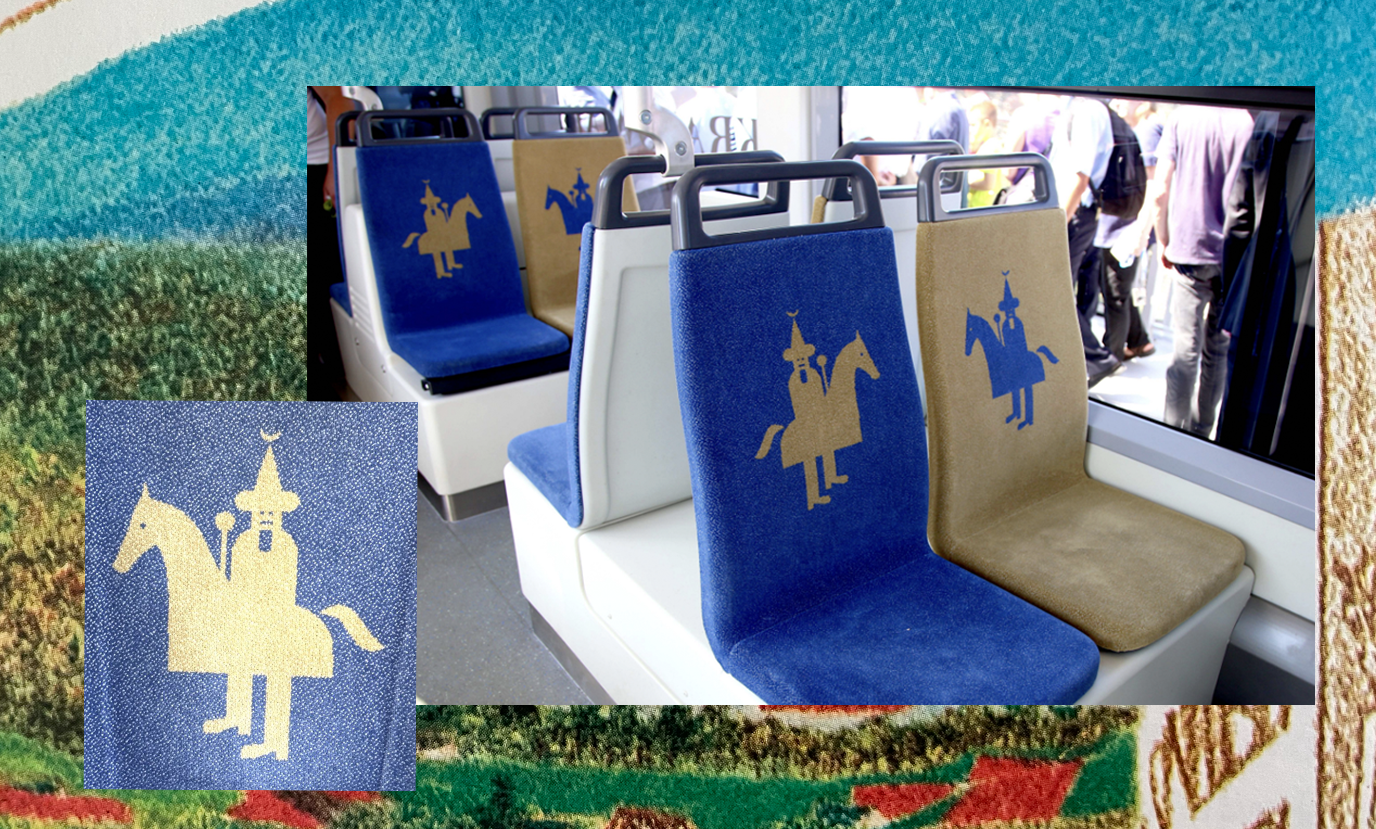
ITEM #1 ★(˶˃ ᴗ ˂˶)(˶˃ ᴗ ˂˶)Asientos con estampado de jinetes en el transporte público de Estocolmo, obra de Marianne Lindberg De Geer.
Me parecen perfectos. Los estampados de los asientos del transporte público deberían ser intervenidos a nivel creativo, porque pasamos muchas horas de la vida con ellos y tendrían que darnos un poquito de alegría.
They seem perfect to me. The seat patterns on public transport should really be creatively redesigned, because we spend so many hours of our lives with them, and they should give us a little bit of joy.
They seem perfect to me. The seat patterns on public transport should really be creatively redesigned, because we spend so many hours of our lives with them, and they should give us a little bit of joy.
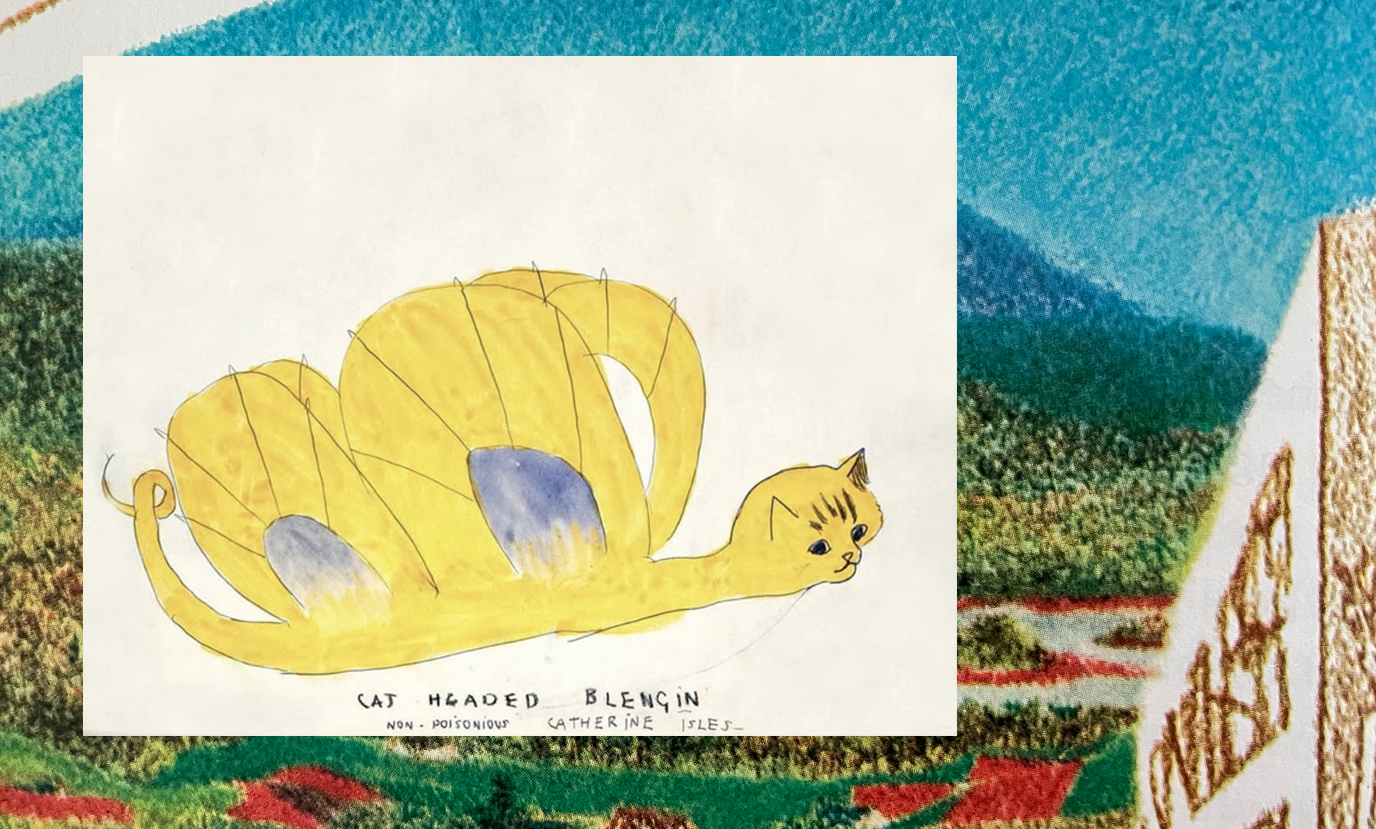
ITEM #2 ★(˶˃ ᵕ ˂˶)(˶˃ ᵕ ˂˶)Henry Darger*1892 1973 Chicago
Henry Darger fue un hombre que trabajó como portero toda su vida, y cuando murió, sus vecinos descubrieron que en su cuarto tenía cientos de dibujos de una historia en la que había estado trabajando durante años. Ese mundo se llamaba Annieland, y es donde transcurre la historia principal: The Story of the Vivian Girls.
En ese universo hay dos grandes bandos: Las naciones cristianas, que son las buenas y donde viven las Vivian Girls, siete princesas heroínas. Y los Glandelinians, que son los villanos: un imperio esclavista que secuestra y maltrata a niños y niñas. Luego estaban los Blengins, los espíritus guardianes.
Las Vivian Girls lideran una rebelión para liberar a los niños esclavizados, y todo eso se convierte en una guerra gigantesca, con paisajes llenos de flores, animales, ángeles y también escenas muy violentas.
Lo más curioso es que el mundo de Darger mezcla elementos inocentes (niñas, fantasía, colores vivos) con imágenes perturbadoras (batallas, torturas, cuerpos), como si fuera el sueño de un niño que se convierte en pesadilla.
Se dice que él tuvo una infancia bastante difícil, y quiero pensar que solo tenía una enorme creatividad; que dibujar niñas y crear ese mundo donde los niños eran defendidos era su manera de buscar la inocencia que le faltó. Y que todo eso no lo hacía con una intención sexual —prefiero pensar que ese señor realmente era un genio, y no un pedófilo.
Se inventó un micromundo increíble, y me gusta imaginar que vivió allí mientras, en esta realidad, era portero de otra.
Henry Darger was a man who worked as a janitor his whole life, and when he died, his neighbors discovered that his room was filled with hundreds of drawings from a story he had been working on for years. That world was called Annieland, and it’s where the main story takes place: The Story of the Vivian Girls.
In that universe there are two major sides: the Christian nations, who are the good ones and home to the Vivian Girls—seven heroic princesses. And the Glandelinians, who are the villains: a slave empire that kidnaps and mistreats children. Then there were the Blengins, the guardian spirits.
The Vivian Girls lead a rebellion to free the enslaved children, and all of it turns into a gigantic war, with landscapes full of flowers, animals, angels, and also very violent scenes.
What’s most striking is how Darger’s world mixes innocent elements (girls, fantasy, bright colors) with disturbing imagery (battles, torture, bodies), as if it were a child’s dream turning into a nightmare.
It’s said that he had a very difficult childhood, and I like to think he simply had enormous creativity—that drawing girls and creating this world where children were defended was his way of seeking the innocence he lacked. And that he wasn’t doing any of it with a sexual intention—I prefer to believe he was truly a genius, not a pedophile.
He invented an incredible micro-world, and I like to imagine that he lived there while, in this reality, he was the janitor of another.
ITEM #3 ★(˶˃ ᵕ ˂˶)(˶˃ ᵕ ˂˶)Malcolm in the Middle
Hay un capítulo de la segunda temporada (ep. 11) de esta maravillosa serie, donde ocurre una historia secundaria que tiene cinco estrellas en mi corazón.
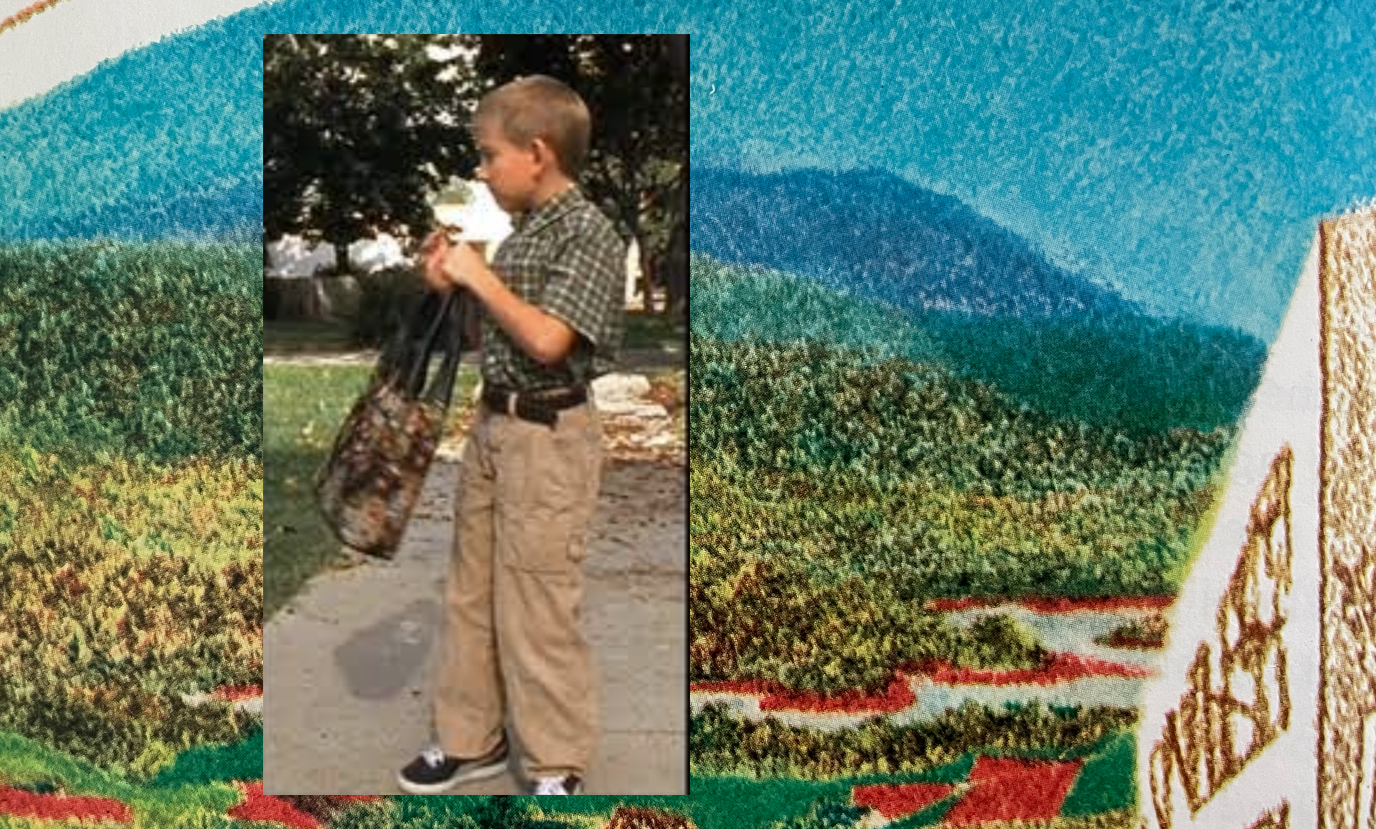
A Dewey le hacen un súper bullying en el colegio y los malotes le rompen la mochila —se ve que es algo que pasa mucho. Cuando llega a casa, le pide a su madre si le puede comprar otra, y ella le dice que no puede seguir así y que mire en el armario a ver si encuentra algo que le pueda servir.
Allí encuentra un bolso de su madre y lo usa como mochila. Su hermano le advierte que le harán aún más bullying, pero a él le encanta su bolso y no quiere rendirse ante los malotes. Lo lleva igual y decide meter un ladrillo dentro, para poder defenderse con el bolso si le atacan.
Me parece una historia perfecta.
https://www.instagram.com/reel/DGbESHzpgtF/
There’s an episode in the second season (episode 11) of this wonderful series where a secondary storyline unfolds that has five stars in my heart.
Dewey is horribly bullied at school, and the mean kids break his backpack — apparently something that happens to him a lot. When he gets home, he asks his mom if she can buy him a new one, and she tells him he can’t keep going on like this and that he should look in the closet to see if there’s anything he can use.
There, he finds one of his mother’s handbags and uses it as a backpack. His brother warns him that he’ll get bullied even more, but Dewey loves the bag and doesn’t want to give in to the bullies. He wears it anyway and decides to put a brick inside so he can defend himself with it if they attack him.
I think it’s a perfect little story.
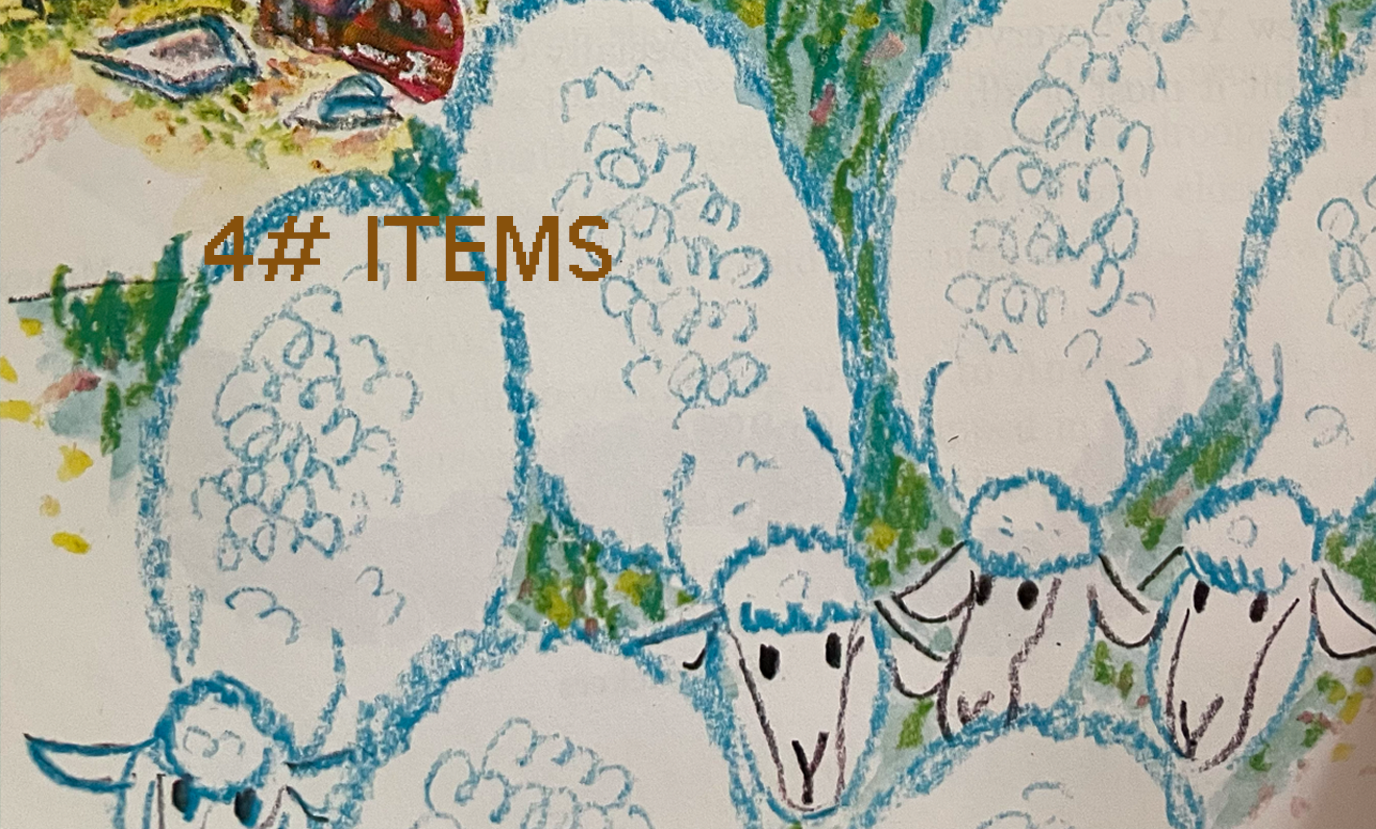
ITEM #4 ★(˶˃ ᵕ ˂˶)(˶˃ ᵕ ˂˶) Rollito de lana
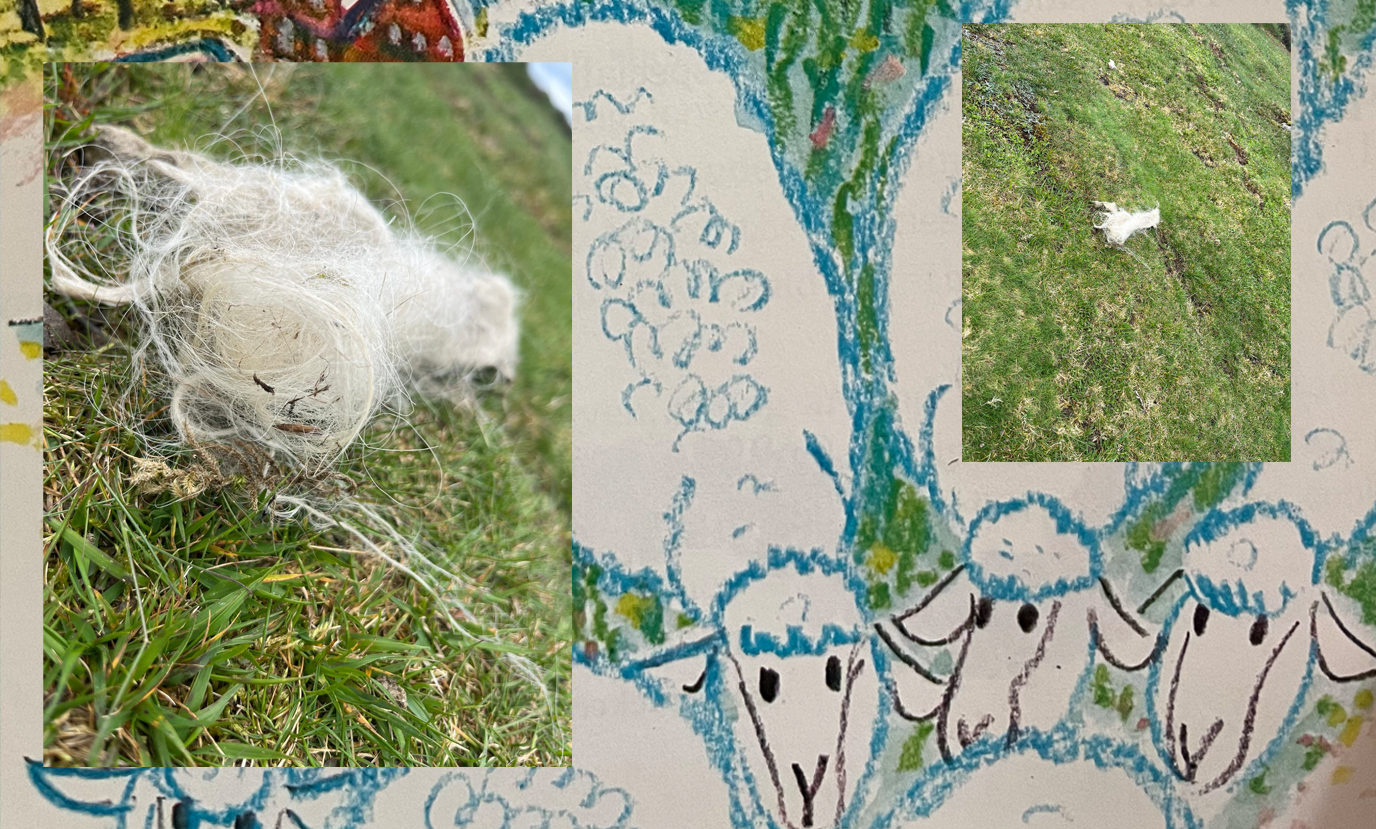
Para finalizar quería enseñaros este rollito de lana que me encontré en el monte, tenia carita y estaba echando la siesta.
To finish, I wanted to show you this little ball of wool I found in the mountains — it had a tiny face and was taking a nap.